


Mantra Healing / Holistic Healing for Anxiety, Depression : Scientific Mechanisms, Therapeutic Benefits & Practice Guide
- vedic healers staff

- 2 days ago
- 4 min read
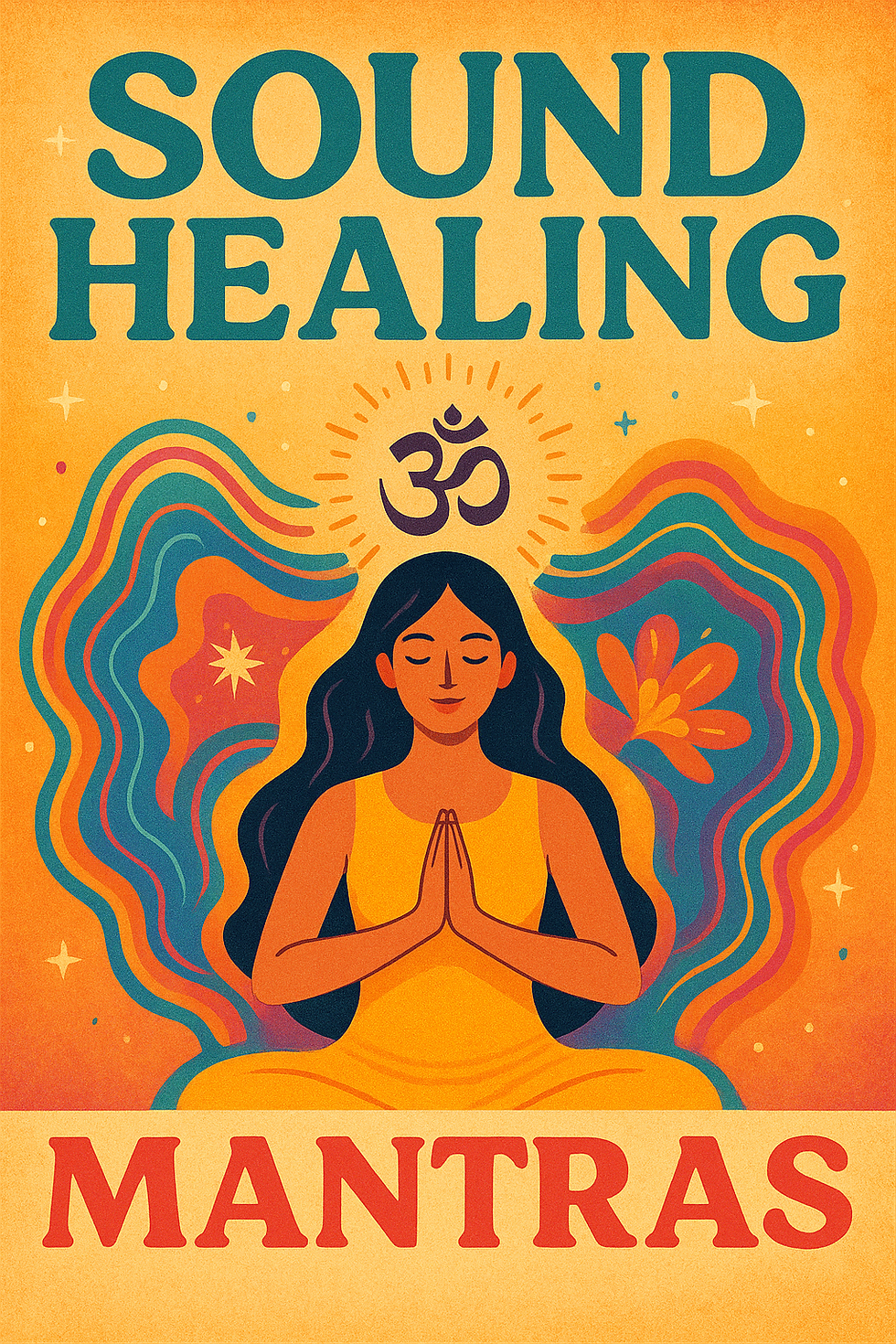
Mantra healing is one of the most sophisticated mind–body interventions
described in classical Ayurveda and Yoga.
Traditionally, mantras have been used for regulating psychological states, supporting physiological balance, and stabilizing praṇa life force. Modern science increasingly validates these effects, that repetitive sound frequencies can influence breath patterns, neural oscillations, autonomic activity, and emotional regulation.
1. Foundations of Mantra Selection for Holistic Healing for Anxiety, Nervousness, Depression
Choosing the correct mantra is essential for therapeutic outcomes. The selection is based on four main
factors:
Dosha considerations (Vata, Pitta, Kapha)
Emotional and psychological state (anxiety, grief, fear, lethargy, agitation)
Chakra or energetic center requiring support
Individual preference and resonance with specific deities or vibrational qualities
Some commonly applied healing mantras and their primary use-cases:
AUM
Regulates Vata
Enhances grounding and prāṇa strength
Induces mental steadiness
Shanti Mantra
Promotes sattva
Particularly effective for emotional equilibrium and women’s mental wellbeing
Gayatri Mantra
Supports digestion, immunity, and cognitive clarity
Reduces mental stress and emotional heaviness
Maha Mrityunjaya Mantra
Deep healing for chronic pain, long-standing conditions, and trauma
Strong stabilizing influence on the nervous system
Om Namah Shivaya
Emotional purification
Improves sattva, reduces agitation and inner turbulence
Om Mani Padme Hum
Heart chakra activation
Encourages compassion, emotional release, and healing from sadness
Note: Sanskrit perfection is not mandatory; however, clear enunciation—especially for Beej Mantras—is essential for optimal vibrational effects.
2. Influence of Chanting Speed, Pitch & Intonation
The therapeutic quality of a mantra changes significantly depending on how it is chanted:
Slow, deep chanting → restores Vata and Pitta balance
Fast chanting → reduces Kapha, lethargy, and stagnation
Low-pitch chanting → grounding, stabilizing; useful for overactive minds
High-pitch chanting → energizing and clearing for mental fog
Breath rhythm is adjusted based on anxiety levels, trauma history, breath instability, fatigue, and sensitivity.
3. Mechanisms of Action: Traditional & Scientific View
Ayurveda describes mantra healing through several physiological and energetic pathways:
NADA ( or NAAD / sound vibration)
Creates resonance that influences the autonomic nervous system.
PRANA regulation
Rhythmic sound coordinates breath cycles, improving respiratory coherence.
Manovaha Srotas cleansing
Mantras help clear mental pathways, reducing emotional accumulation and cognitive overload.
Sattva enhancement
Increases mental clarity, stability, and emotional balance.
Chakra & endocrine influence
Different frequencies activate specific energetic centers linked to hormonal and emotional functions.
Vibrational localization in the body
AUM: cranium, chest
Shanti Mantra: mid-chest, throat
Maha Mrityunjaya: solar plexus, diaphragm
Gayatri / Om Mani Padme Hum: spinal axis
Timeline of expected benefits
Immediate: nervous system down-regulation within minutes
Short-term: emotional release in 3–7 sessions
Long-term: significant improvement in 21–40 days
Traditional observations also note greater heart-centered responsiveness in women, grounding responsiveness in men, and improved outcomes with soft chanting in elderly individuals.
4. Clinical Use-Cases: Conditions & Effective Mantras
Stress: Om Shanti Shanti
Holistic for Anxiety: Om Namah Shivaya
Depressive tendencies: Gayatri Mantra
Chronic pain or long-standing illness: Maha Mrityunjaya
Sleep disturbances: Soham or AUM
Energy imbalance: Gayatri, Om Mani Padme Hum
Fear, panic, restlessness: Maha Mrityunjaya
Patient-specific mantra selection is based on:
dosha imbalance
emotional state
breath rate and pattern
mental activity speed
personal resonance and comfort
Consistent improvements are observed in stress disorders, anxiety, depressive tendencies, chronic muscular tension, sleep dysregulation, autonomic imbalance, and states of restlessness.
5. Protocol for Healing Sessions
Repetitions
108 cycles (complete)
or shorter sets of 54 or 27
Duration
15–45 minutes per session
Breathing
Slow, deep inhalation
Helps down-regulate Vata and stabilize the nervous system
Modes of Chanting
Aloud: grounding, recommended for beginners
Soft/whisper: effective for emotional healing
Mental chanting: advanced, increases mental stability
Time of Day
Brahma Muhurta: optimal for spiritual and energetic upliftment
Evening: ideal for emotional processing and release
Experienced practitioners can detect calmness through observable signs: relaxed facial muscles, smooth breath, reduced involuntary movements, and softened posture.
6. Expected Outcomes & Success Rate
Common responses during or after sessions
reduced heart rate
spontaneous sighs
emotional softening or release
warmth, tingling, or subtle energy movement
improved clarity and reduced mental clutter
better sleep
Success Rate
60–70% report noticeable improvement with consistent practice
Duration required
Mild conditions: few short sessions
Chronic conditions: 45+ days of practice
7. Ethical & Cultural Guidelines
To maintain the integrity of the practice, researchers and practitioners should:
honor the cultural roots of mantras
ensure accurate pronunciation
avoid misrepresentation or commercialization
provide safeguards for emotionally sensitive or trauma-affected individuals
Mantras may occasionally trigger emotional release or short-term breathlessness in sensitive participants.
8. Environmental Factors That Enhance Healing
Healing is strengthened in environments that support sensory calm:
clean and quiet space
soft lighting
mild incense or natural aroma
facing North or East for clarity and stability
sitting on natural materials (kusha grass, cotton mat); chair seated practice is acceptable when required
9. Participant Readiness & Daily Practice Guidelines
Listening is helpful initially, but chanting is essential for sustained benefit
Recommended daily practice: 15–45 minutes
Continuous practice is ideal, though sessions may be divided
Initial improvements appear in 2 weeks, stronger results in 45 days
Upright seated posture is preferred
Avoid heavy food, stimulants, and junk food before practice
Long-term, continuous practice amplifies the benefits significantly.
Conclusion

Mantra healing represents a sophisticated intersection of ancient Ayurvedic knowledge and modern neurophysiological understanding. When practiced correctly—with appropriate mantra selection, posture, breath regulation, and environmental support—it becomes a highly effective tool for mental clarity, emotional regulation, and overall wellbeing.
Consistent practice over 45 days can produce notable shifts in stress patterns, emotional stability, sleep quality, and chronic discomfort. With its non-invasive and accessible nature, mantra therapy holds immense potential for both individual practice and integrative healthcare systems.
Comments